Author: Jeffrey McCabe
-
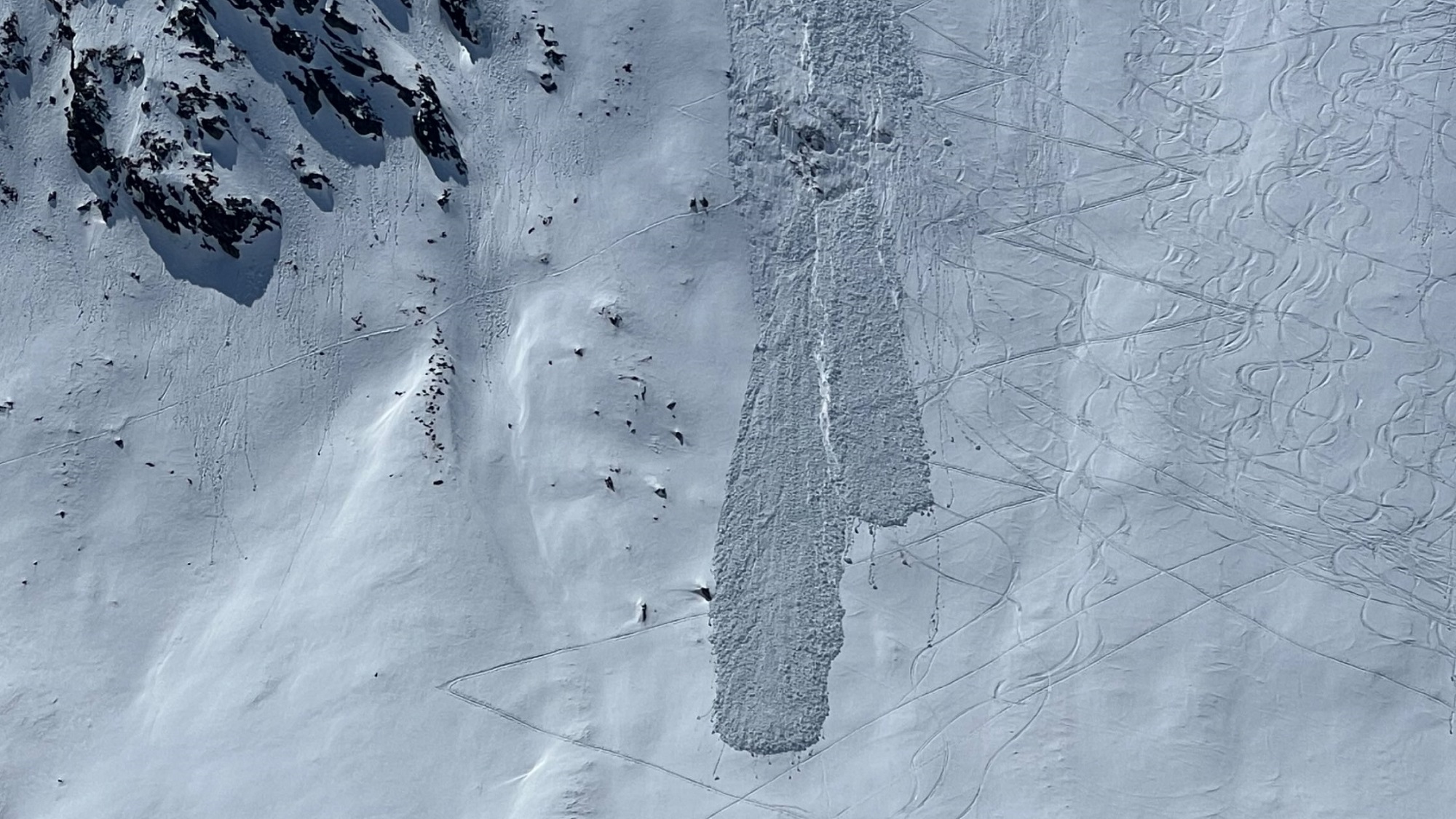
Snowpack becoming increasingly wet, heightening avalanche activity
Whereas it still felt like deep winter at the end of last week, in the interim spring seems to have arrived. Warm temperatures, solar radiation are making the snowpack thoroughly wet. It is forfeiting firmness through water seepage, leading to numerous wet loose-snow and slab avalanches. Also on the weekend, the springlike April weather will…
-
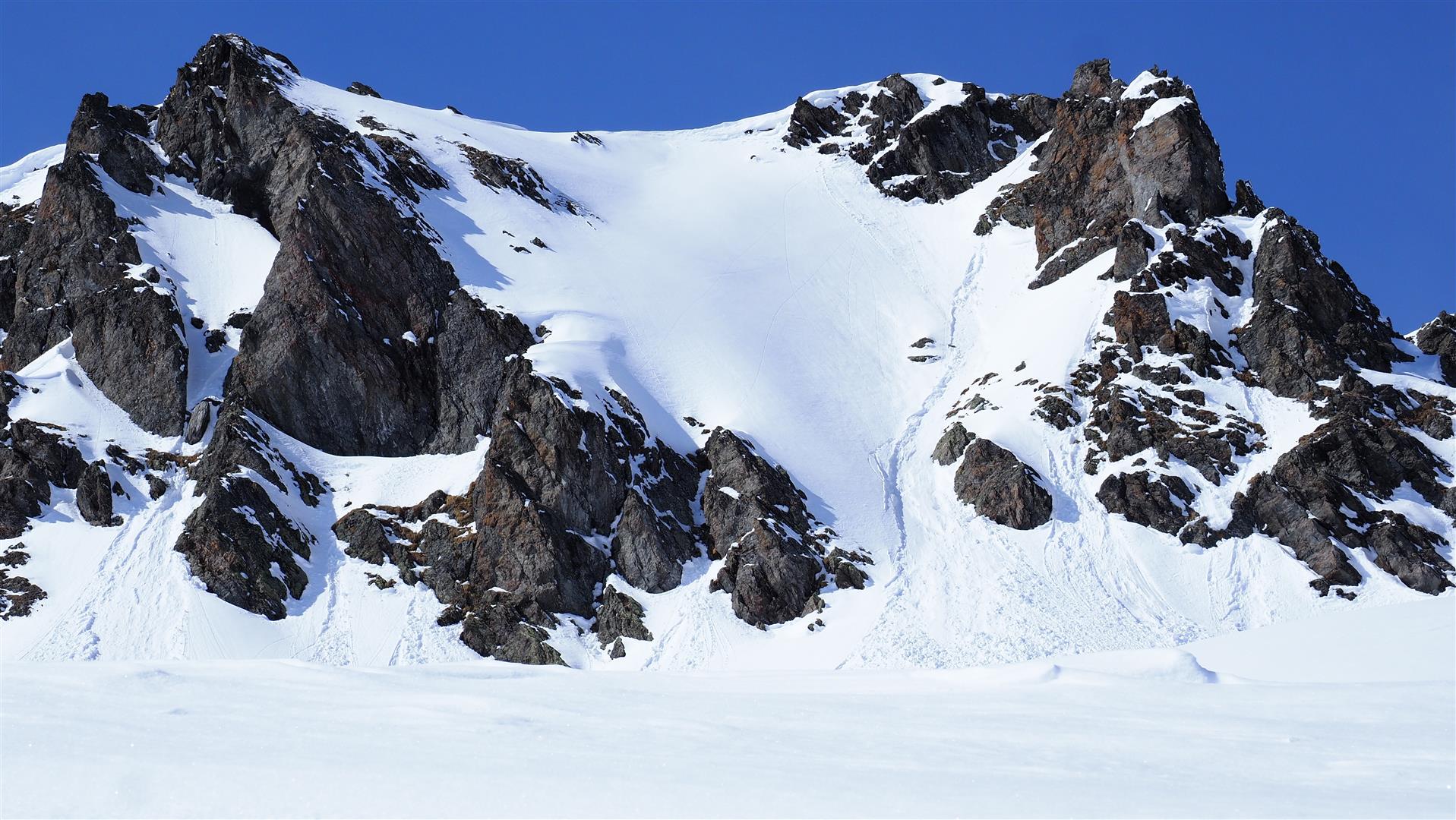
Near-surface persistent weak layer in places – Springtime conditions on the increase
Last week bore the stamp, particularly in northern regions, of heavy new-fallen snow (mostly 50-100cm, up to 150cm regionally) and often storm-strength winds from varying directions. The naturally triggered avalanche activity was limited. Major danger zones for dry-snow slab avalanches currently occur on west, northwest and northeast-facing slopes at 2200m to 2800m. Over the next…
-

Avalanche incident Marchkopf – Tux Alps East, 28.03.2026
Below the 2499m high Marchkopf in the “Tux Alps East” region on Saturday, 28.03.2026, two persons were swept along by a large-sized slab avalanche. One person suffered injuries, the second person did not survive the avalanche. What was most significant for the release was a near-surface weak layer which had formed at mid-March. Atop of…
-
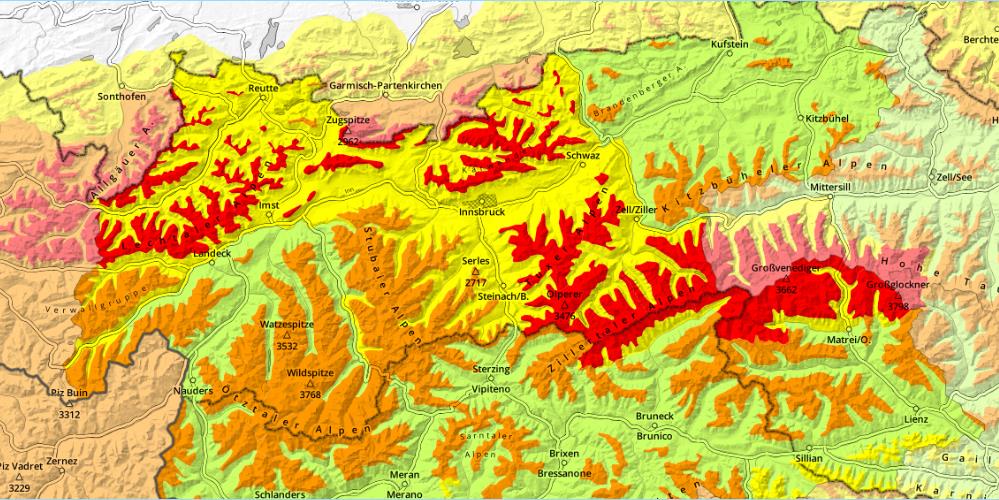
High avalanche danger regionally / Treacherous situation for winter sports enthusiasts, also over weekend
Heavy snowfall and strong-to-storm velocity winds have increased avalanche danger throughout the land. Regionally, high avalanche danger (Level 4) prevails. Activity of naturally triggered avalanches will gradually recede on Friday, 27.03. But the snowpack will be prone to triggering in many places over the weekend. Saturday, due to fine weather forecasts, an accident-prone situation is…
-
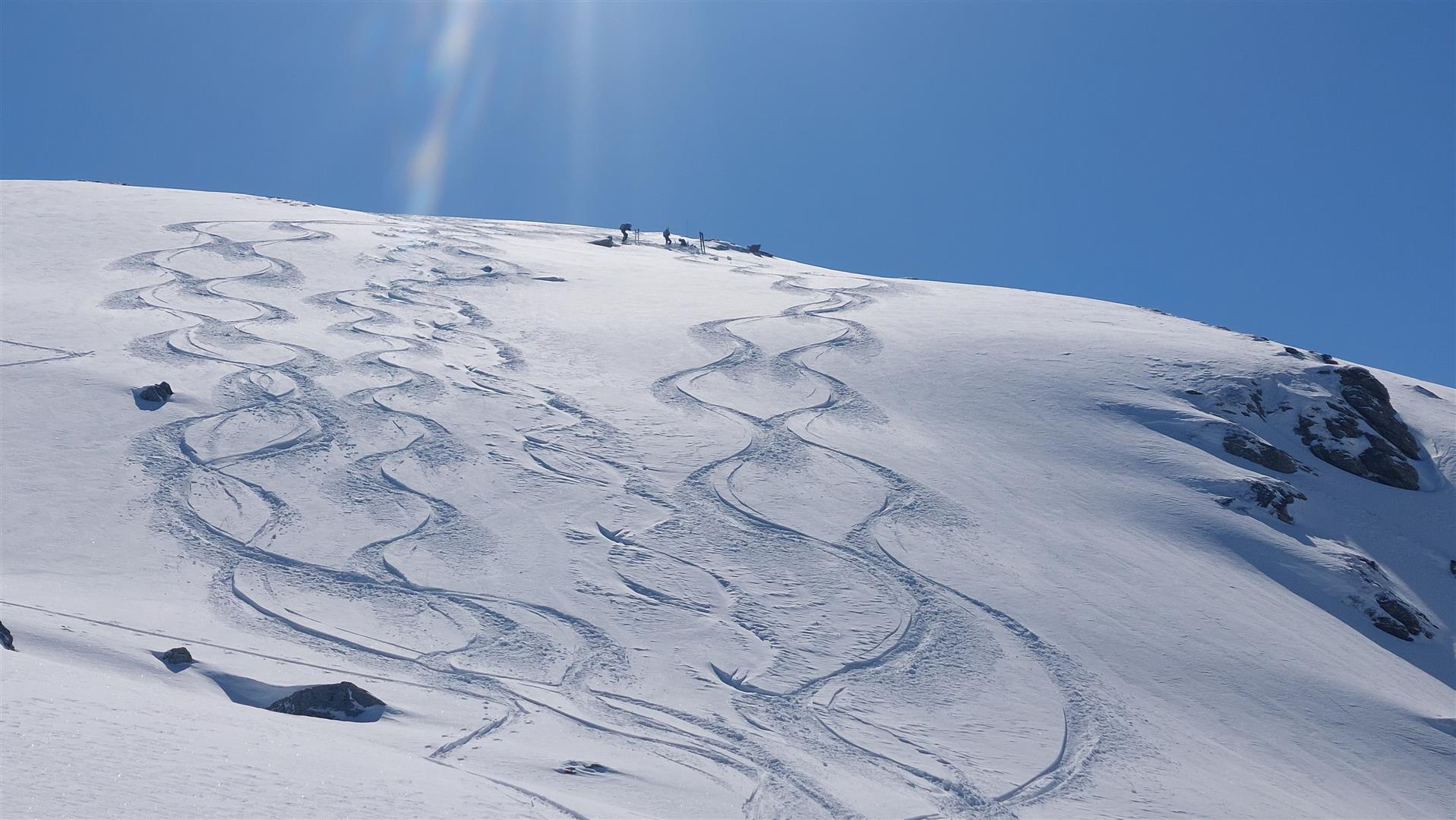
Snowdrifts at high altitude / caution towards old snow still imperative / powder and firn snow
Last week brought us generally between 10 and 20cm of fresh snow, more in Hohe Tauern and in southern Ötztal and Stubai Alps up to 50cm at high altitudes. Coupled with wind impact, a snowdrift problem was generated. Avalanches we know of involving persons usually stemmed from fresh drifts, often from the well-known but less…
-
Moderate persistent-weak-layer problem continues / Variable snowpack surface
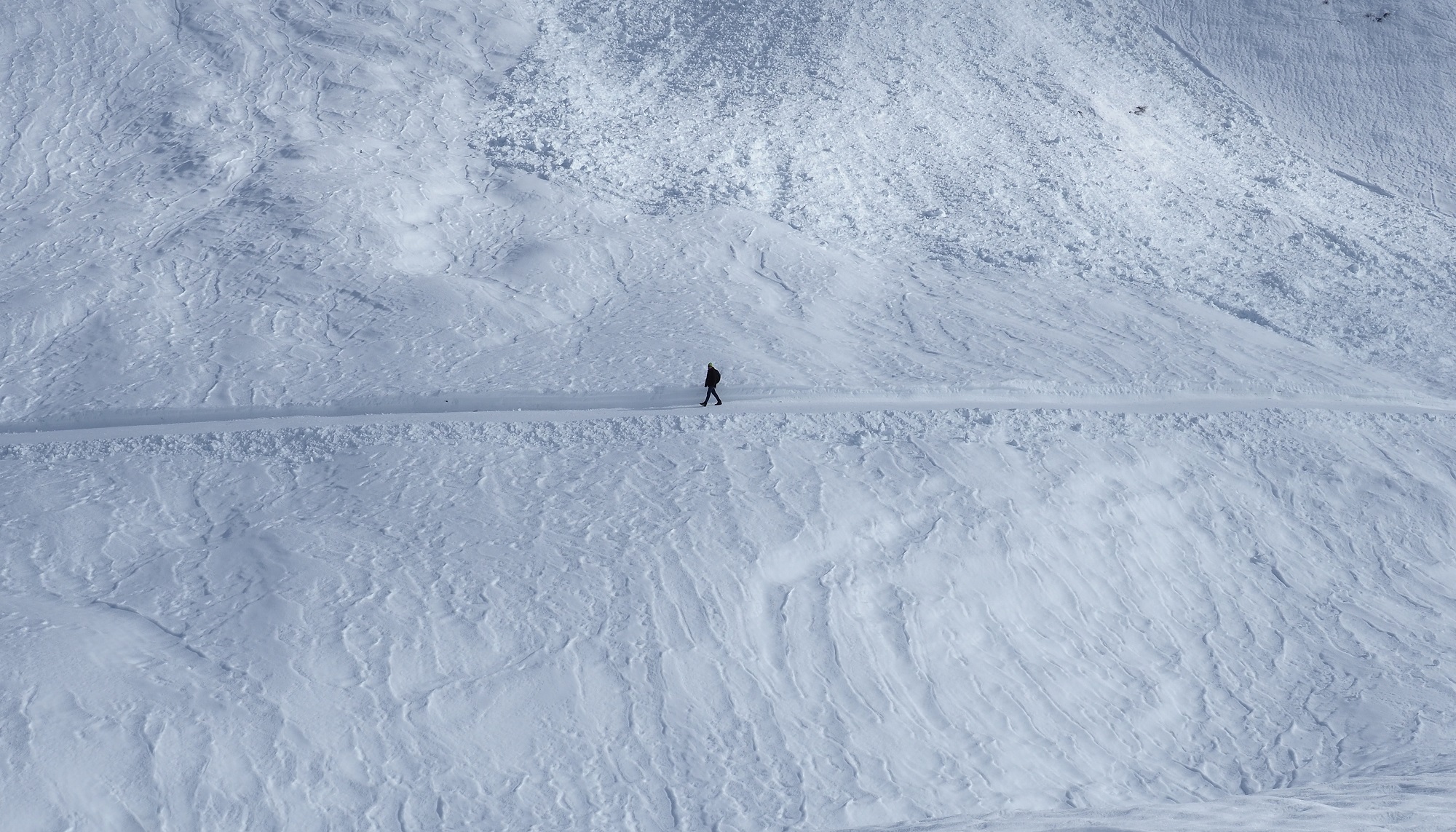
The persistent-weak-layer problem remains the main danger. The places where slab avalanches can be triggered now occur more seldom. But if an avalanche is triggered in one of those spots, it can still grow to large size in isolated cases. Large and steep shady slopes which have not yet discharged, as well as small slopes…
-
Avalanche incident Ransen/ Elfertürme – Serleskamm on 08.03.2026
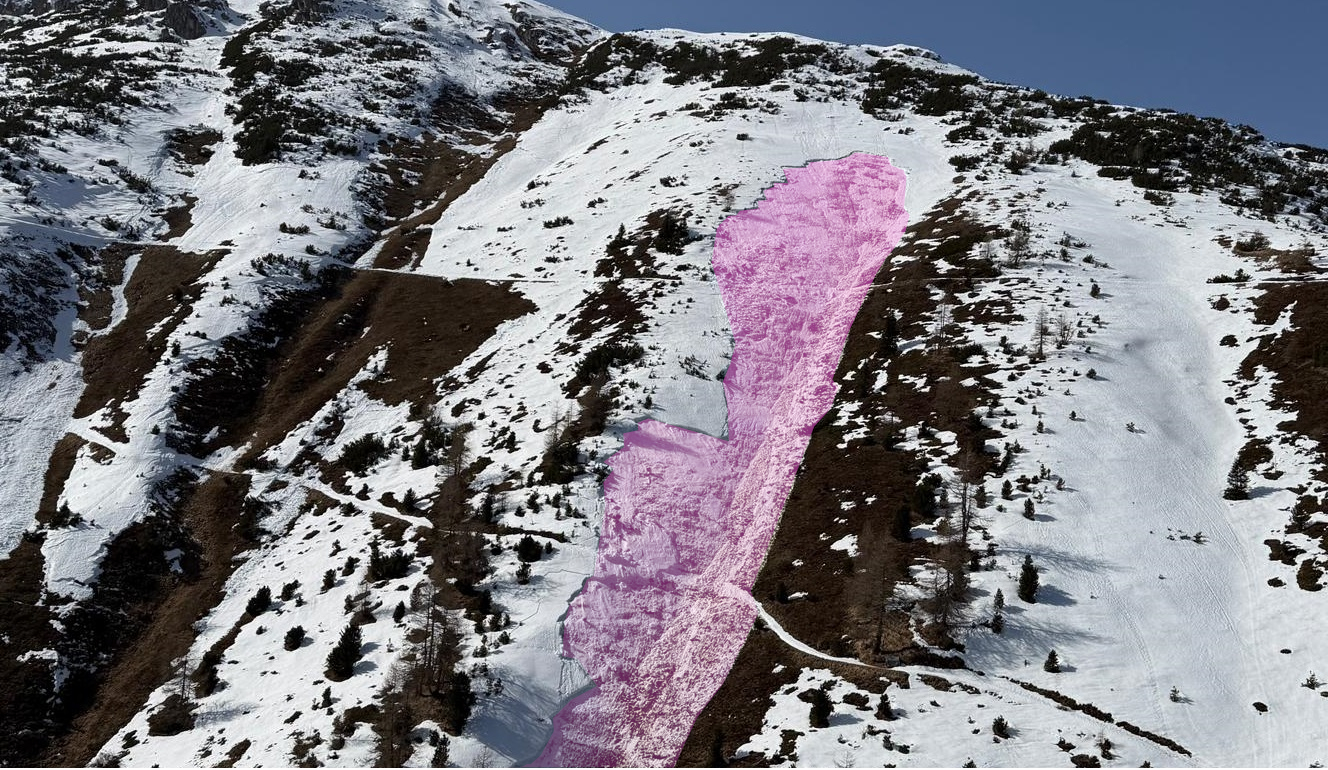
In the Ransen zone beneath the Elfertürme in the Stubai Alps on 08.03.2026, a snowshoe hiker was caught in a medium-sized slab avalanche while trasversing a gully along the Panoramaweg near the Elferhütte and swept several hundred metres over extremely steep terrain. For this person, all rescue measures came too late. The relevant weak layer…
-
Springtime conditions with specific persistent-layer problem: “low probability, high consequence”
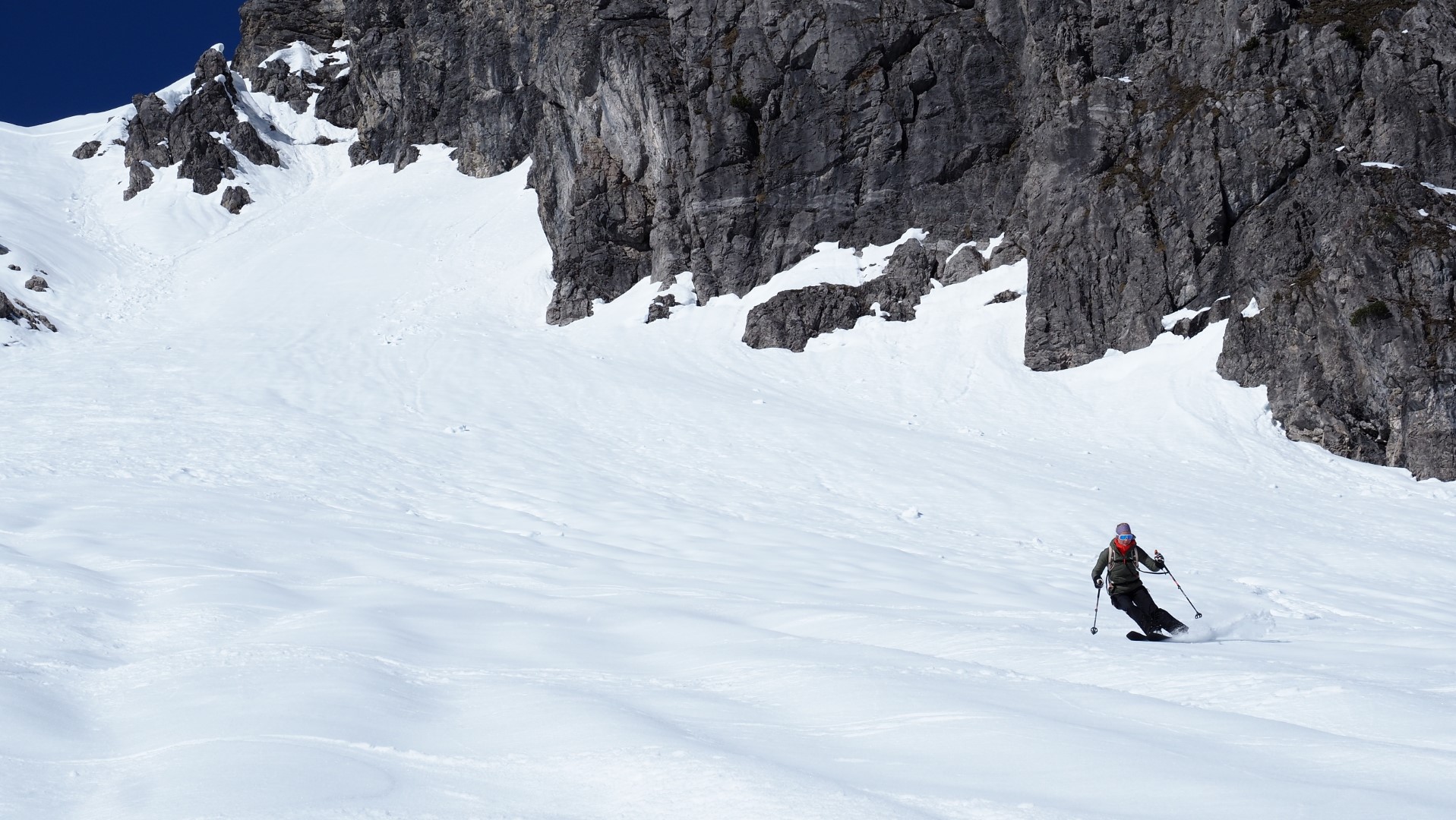
Finally, we have a long-enduring avalanche period of widespread highly trigger-sensitive snowpacks behind us. But what still remains, are several avalanche prone locations, currently primarily on north-facing slopes above 2000m (but caution also on west and east-facing slopes) where dangerously large-sized avalanches can still be triggered. For that reason, restraint is still necessary in those…
-
Avalanche incident Tamlspitz – Tux Alps West, 28.02.2026
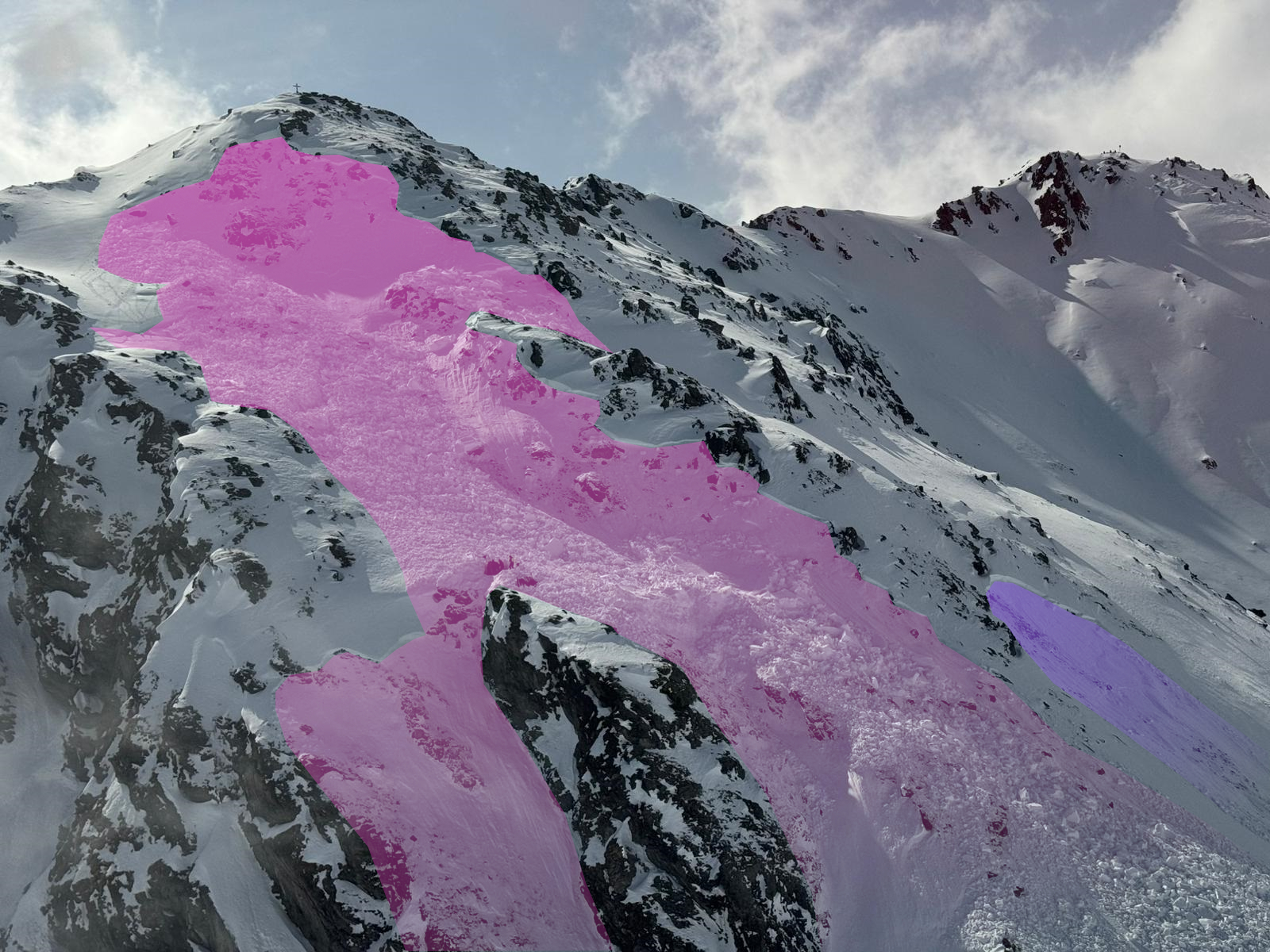
On Saturday, 28.02.2026, two persons were buried and killed in an avalanche on the Tamlspitz in the Tux Alps. The large-sized slab avalanche triggered on a northeast-facing slope at about 2600m. Cause: an expansively metamorphosed weak layer of faceted crystals near ground level in the old snow. The persistent weak layer problem remains treacherous, slab…
-
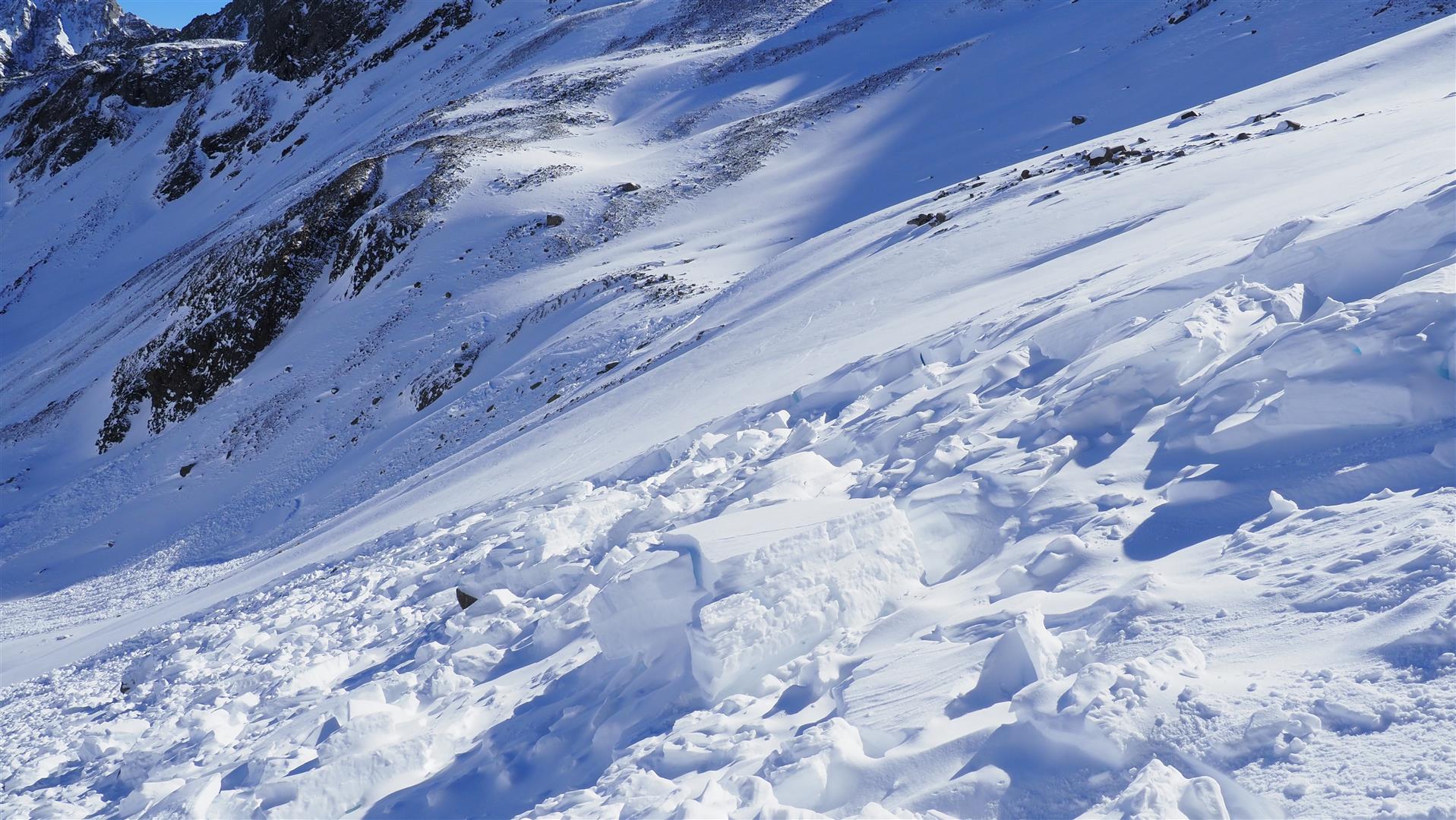
Review of last 2 weeks, including avalanche incident analysis
In retrospect, it all began with turbulent conditions on 11.02, then intensified starting on 16.02: a truly marked avalanche period. Extraordinary interval: 10 days (16-25.02) of persistently high avalanche danger. Since 15.02, 10 persons in Tirol have lost their lives in avalanches (including the person who was totally buried in snow masses below the Jufenkamm…