Category: Current situation
-
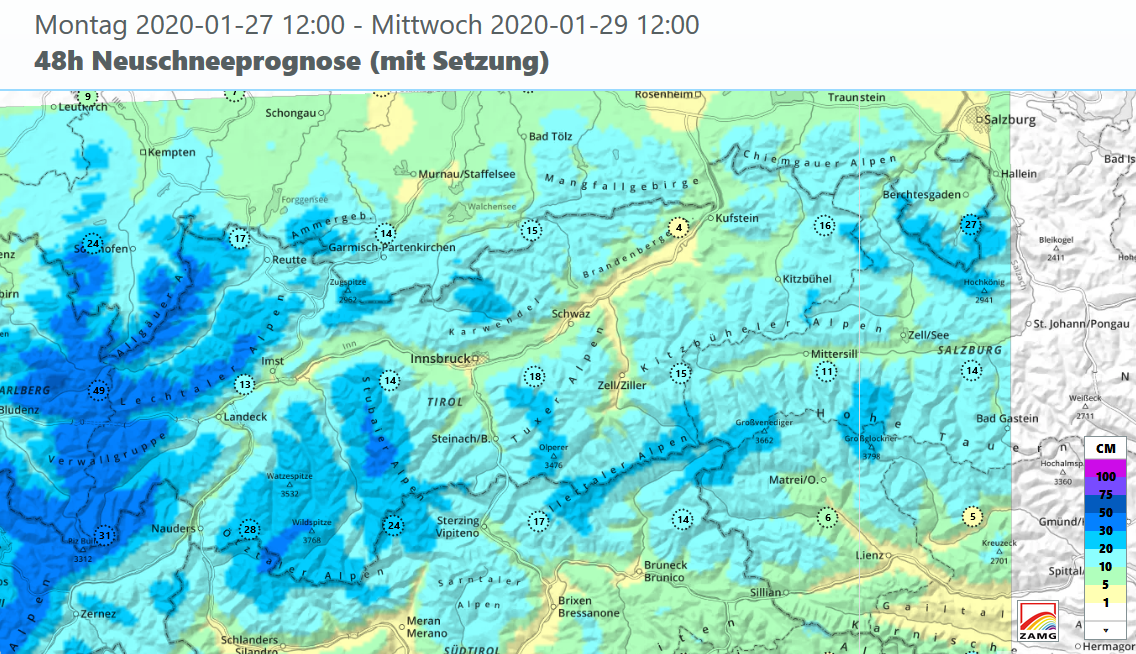
Significant increase in avalanche danger due to snowfall + wind
After an extended period of beautiful weather, the big change has arrived. It will bring noticeable precipitation after a long dry spell. Fresh snow and winds will swiftly lead to a striking increase in avalanche danger. In the regions where snowfall is heaviest, avalanche level 4 (high) will be reached. Backcountry skiers and freeriders are…
-
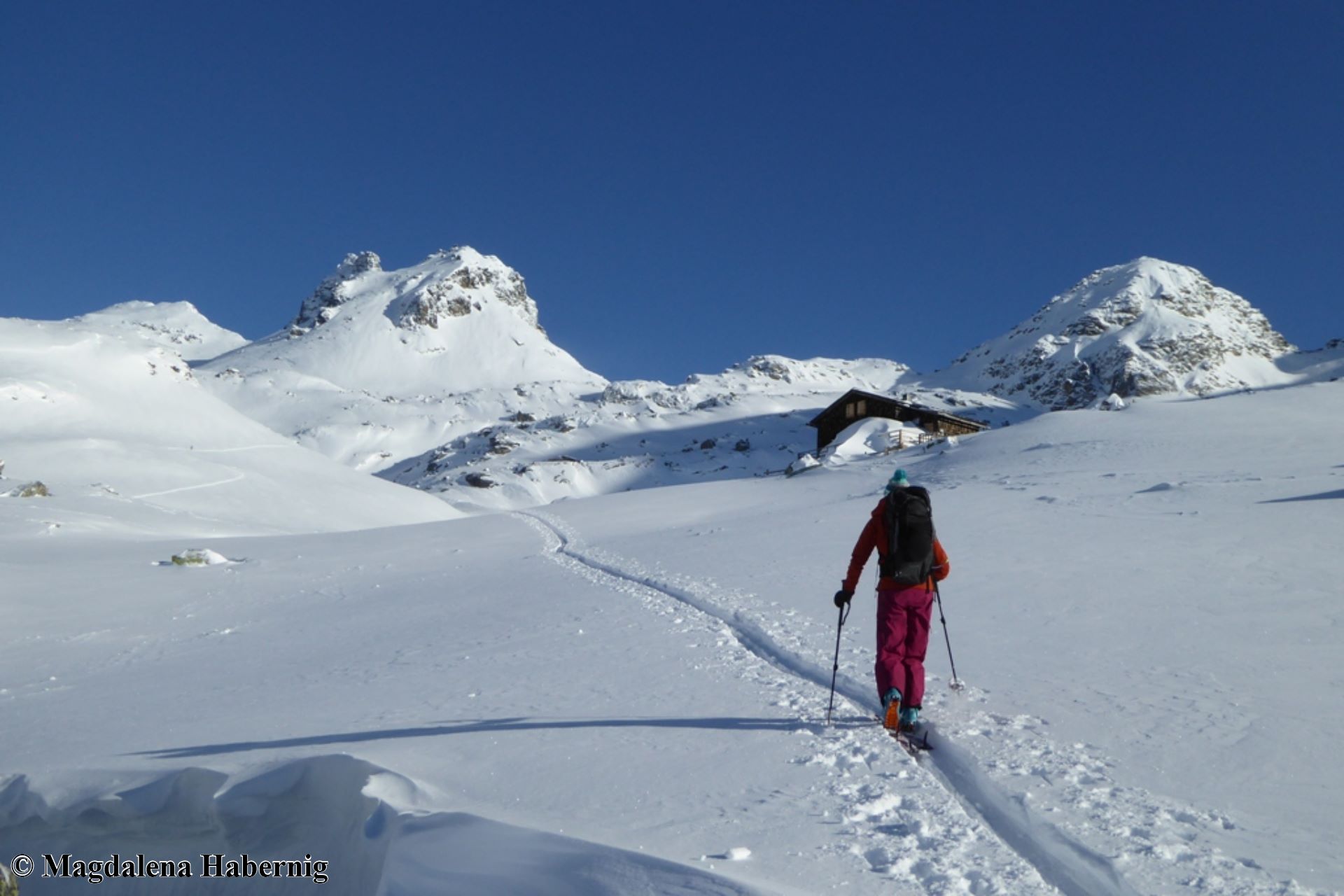
Main danger: fresh, easily recognizable drifts
Last week, high-pressure weather conditions were again prevalent, with short pauses (see previous blog). Winter sports enthusiasts usually enjoyed favourable conditions. Good powder could be found especially in regions where there was lots of fresh snow. Elsewhere, snow quality was modest-at-best except in wind-protected, shady zones. Once again, superb backcountry touring conditions. On the way…
-
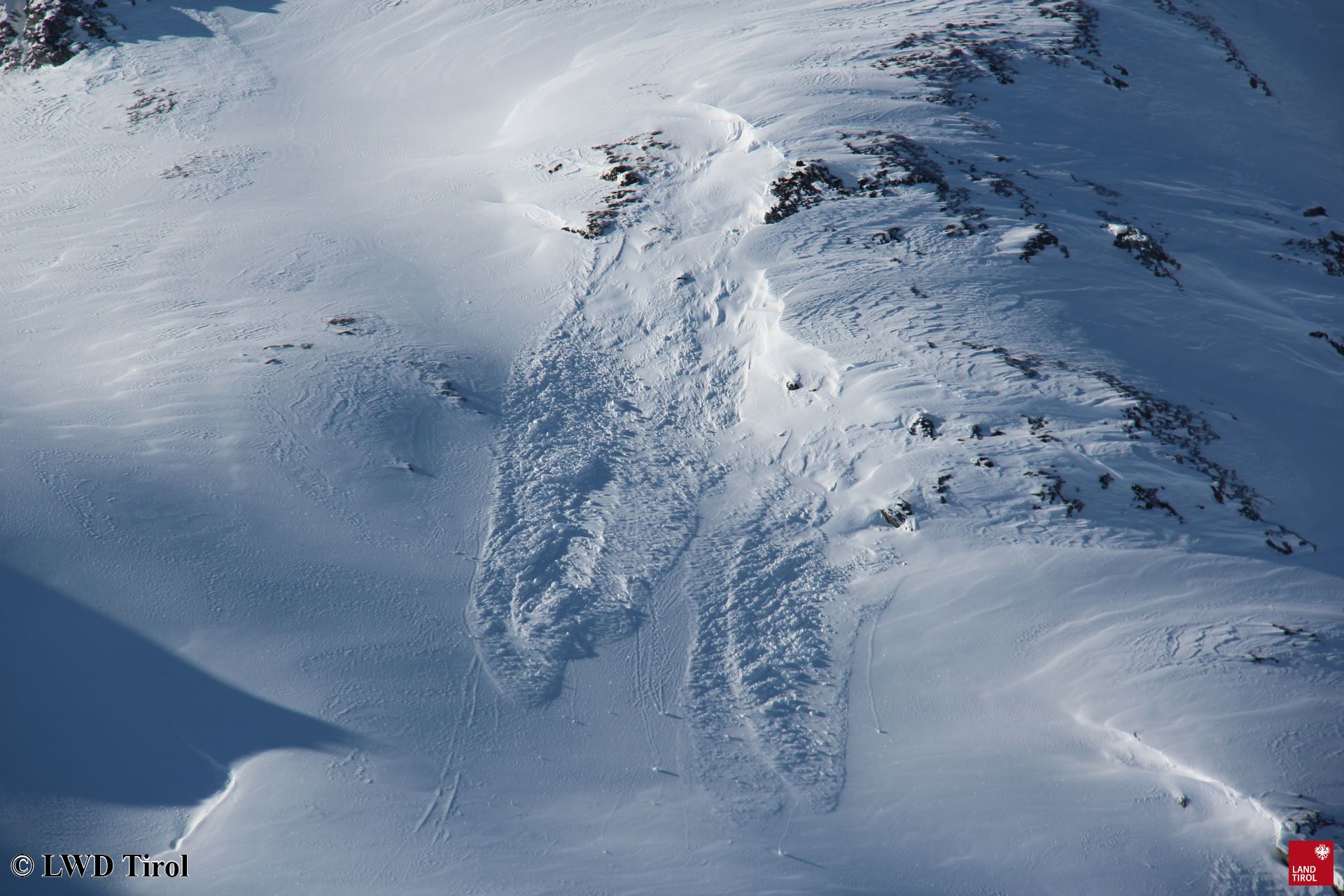
Caution: fresh snowdrift accumulations very easily triggered
In wind-impacted regions a serious snowdrift problem threatens winter sports enthusiasts. Freshly generated drifted masses are bonding (for a brief spell) extremely poorly with the frequently very loosely-packed (and cold) new fallen snow from 18-19 January 2020. (Inside the fresh snow there is also graupel that could form an additional weak layer, otherwise relatively insignificant).…
-
On 18.01, a cold front ends 11-day period of low avalanche danger
Rising avalanche danger due to fresh snow+wind During the last week, uninterrupted low avalanche danger prevailed throughout the European region Tirol-South Tirol-Trentino. All in all, including 17 January, it lasted for eleven days. On 18 January avalanche danger will increase somewhat as a cold front passes through. Winter sports enthusiasts then need to exercise caution…
-

Favourable avalanche situation widespread. Snow quality is deteriorating.
Weather Overview High-pressure conditions predominate Last week enjoyed the impact of a stable high-pressure front with only brief interruptions. Temperatures were above average for this juncture of the season. Little change in this scenario is anticipated over the next few days. A weak cold front on 10.01 will bring some precipitation in the evening as…
-
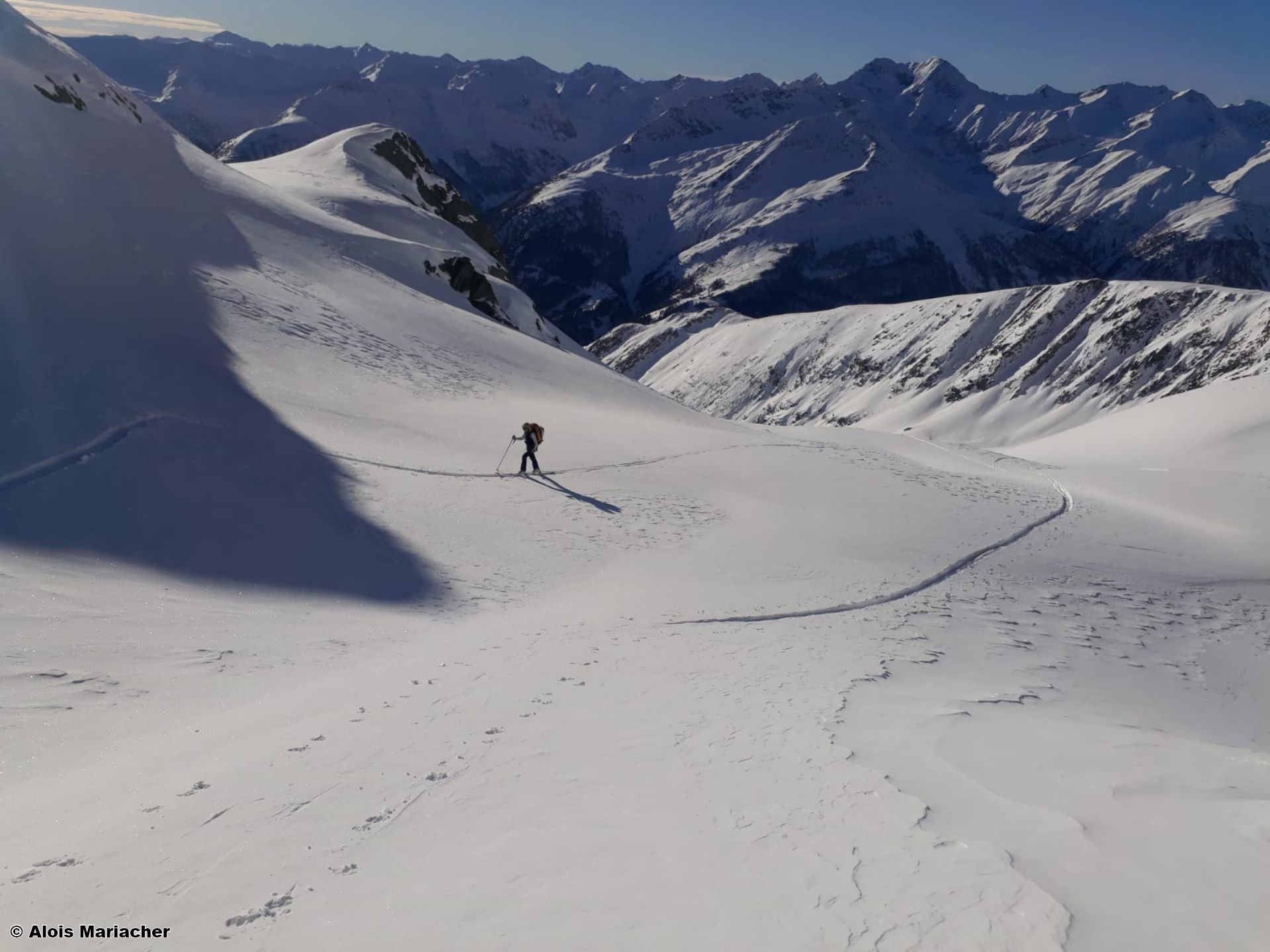
Snowfall + wind: rising avalanche danger
Following a week of high-pressure weather conditions and generally quite favourable conditions, winter sports enthusiasts have to realign their sights: starting on 4 January wind and snowfall will swiftly lead to heightened avalanche danger. Freshly generated snowdrifts on W/N/E facing slopes, particularly in wind-protected zones, will be easily triggered by backcountry skiers and freeriders. The…
-
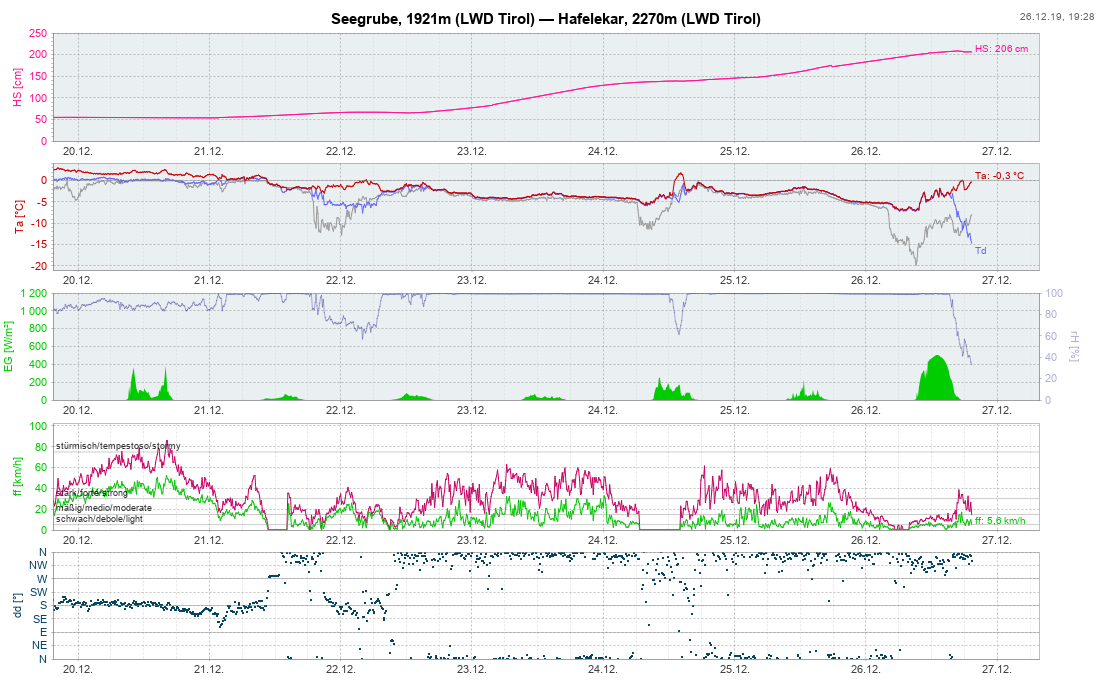
Peak of avalanche danger has passed. Main perils: high-altitude snowdrifts, gliding snow below 2600 m
An intermediate high on Boxing Day brings the stormy bouts of snowfall forecast by ZAMG Weather Service to a close. The apogee of avalanche danger is now been passed, over the next few days, avalanche danger will incrementally diminish. The main problems: fresh and older snowdrift accumulations at high altitudes, on the one hand; gliding…
-
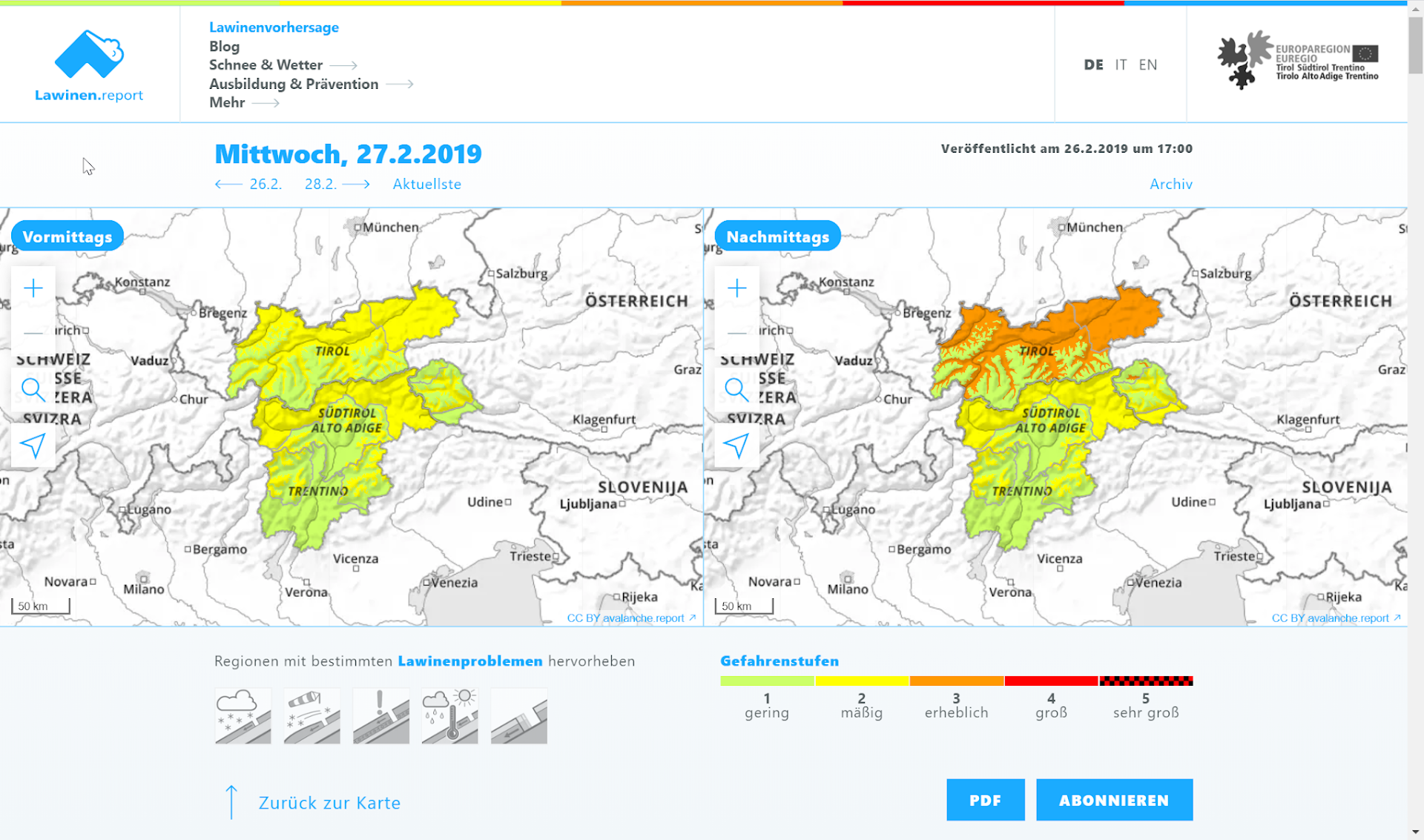
A Christmas present – new things in the avalanche report
Last winter the cross-border Internet website of the Euregio Avalanche Bulletin was launched. The enormous extent it was accessed, together with 3500 reader feedback reactions in the online survey at the end of March 2019, confirm the high degree of acceptance of the site. In addition we received lots of stimulating suggestions and proposals for…
-
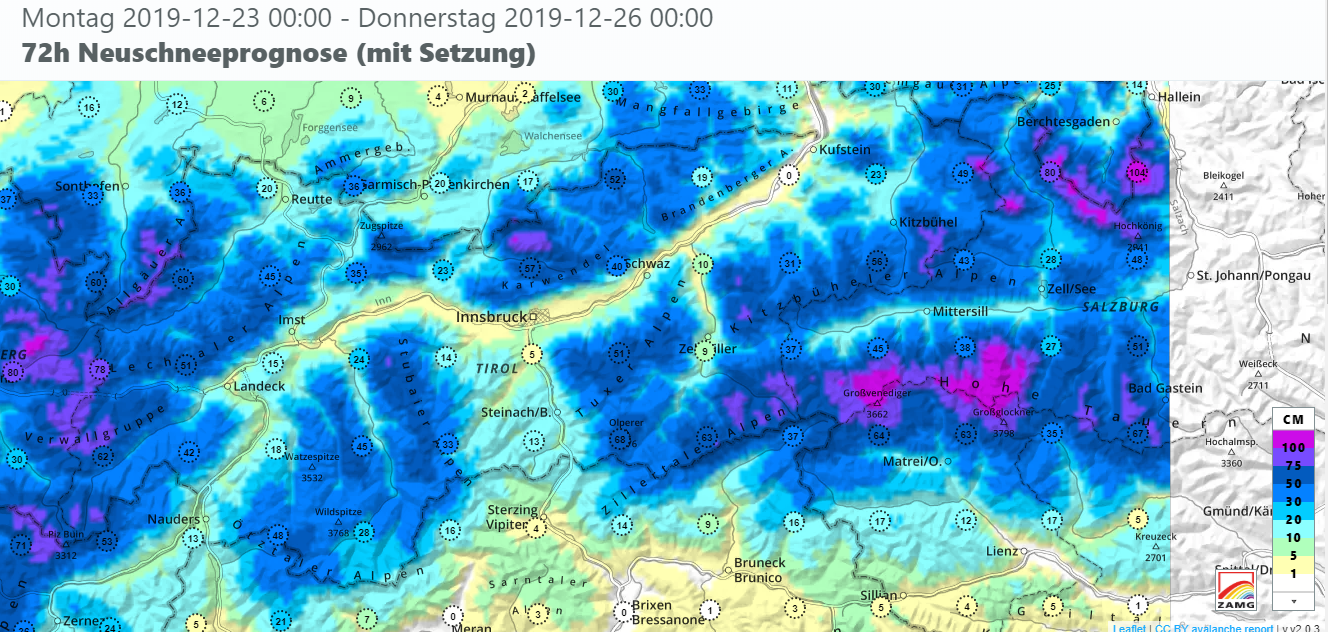
Stormy NW air current bringing heavy snowfall regionally, plus rain. Avalanche danger increasing!
Precipitation, winds, temperature fluctuations The persistent southerly air current with precipitation along the Main Alpine Ridge and in East Tirol has been replaced by a NW air current. The ZAMG Weather Service warns of snowfall and rainfall between 22.12 6:00 pm and 25.12.2019 6:00 pm, most of which is expected to fall in the Silvretta,…
-
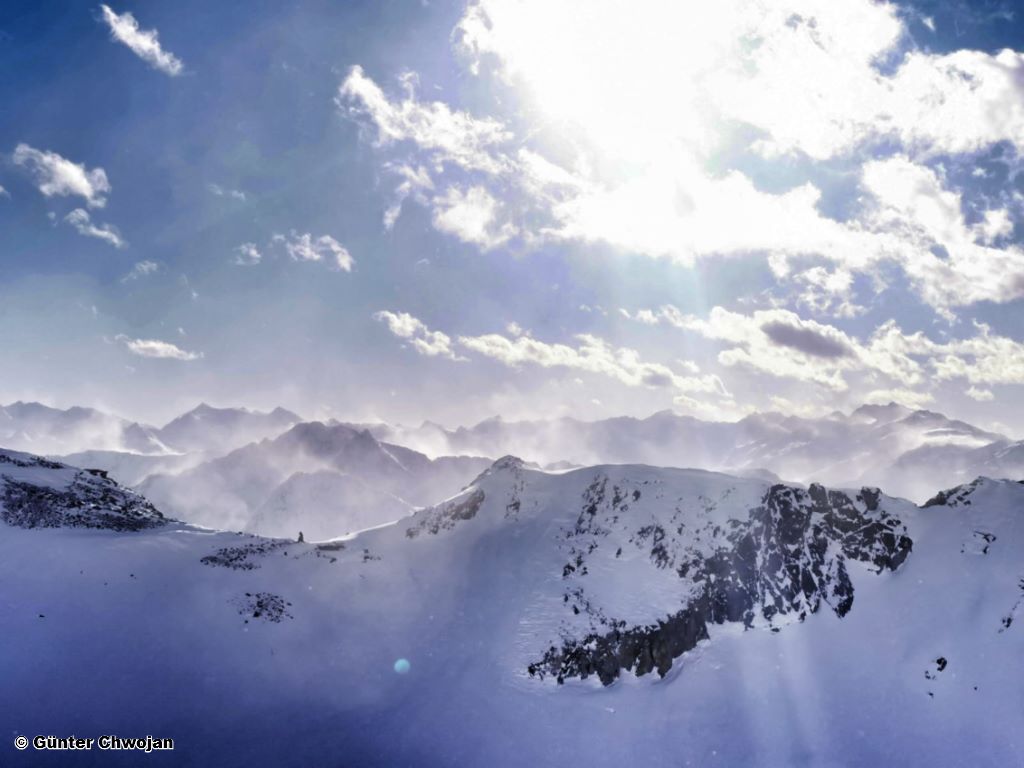
Limited danger zones, generally poor snow quality
Last week bore the imprint of southerly air currents. At high altitudes, lots of snow was transported. The freshly generated snowdrift accumulations were easily triggered to start with. The unseasonably mild temperatures then improved the situation. The main problems this week were small glide-snow avalanches and moist slides, also distant-from-ridgeline snowdrifts at high altitude and…