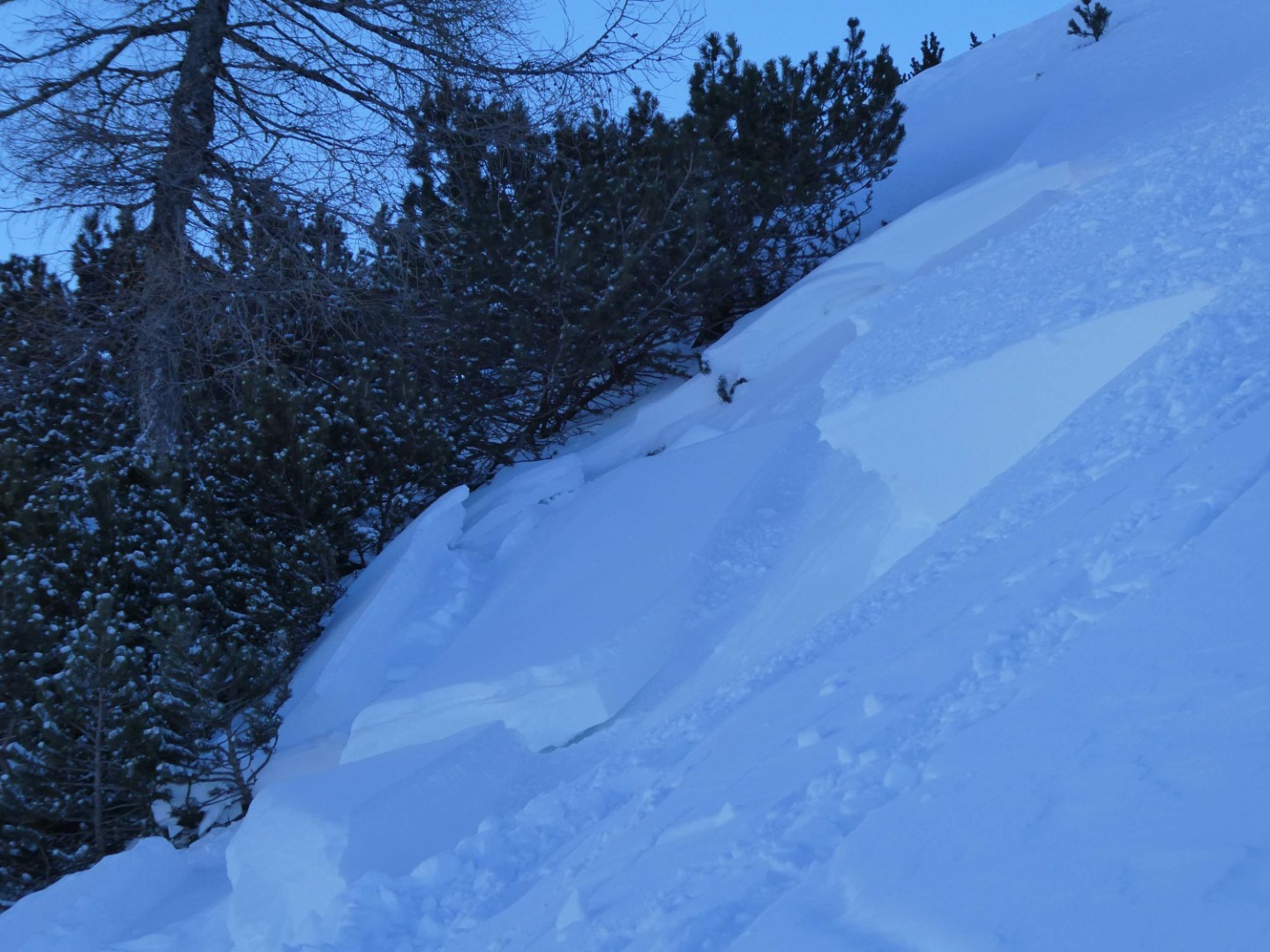
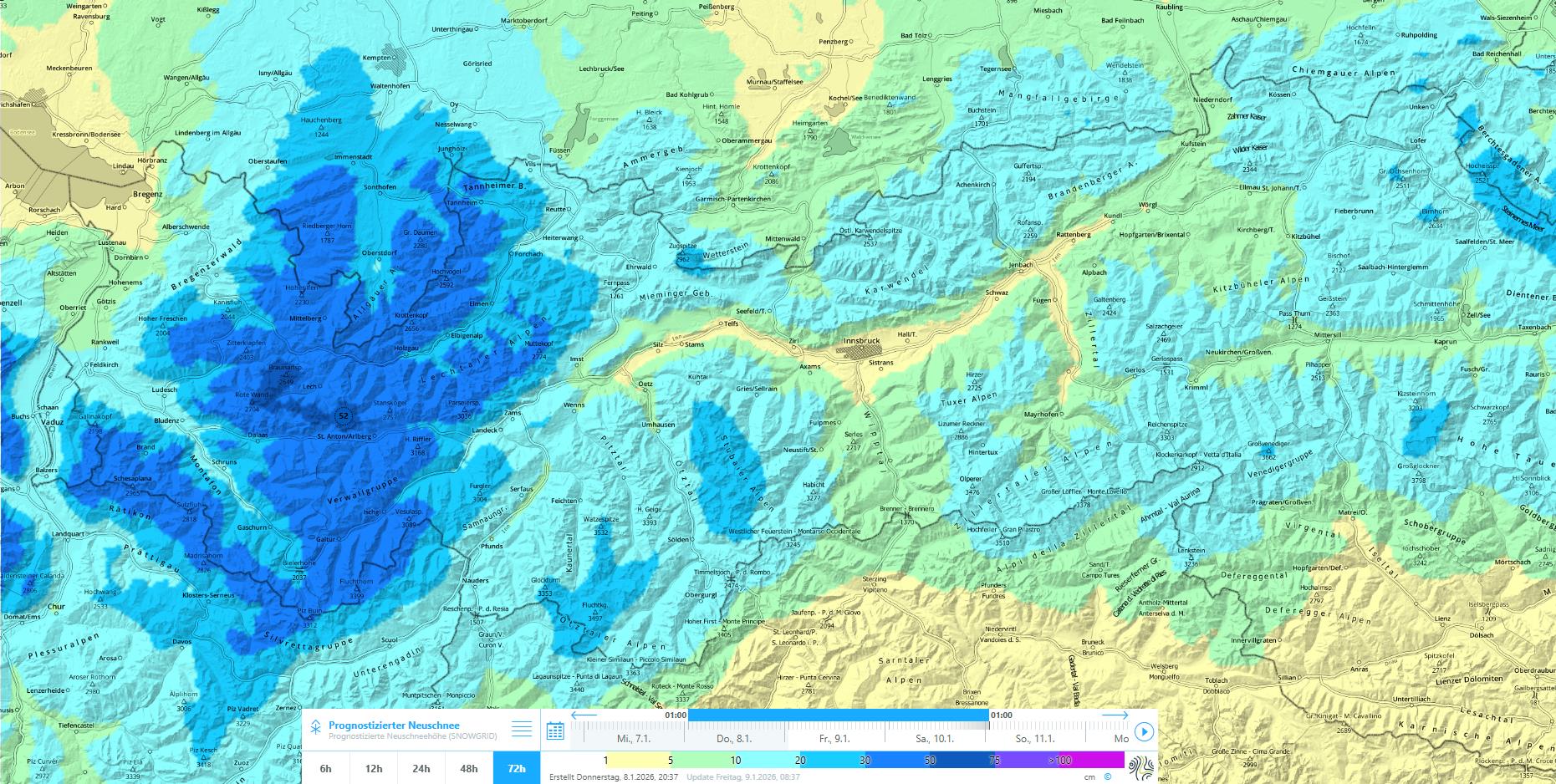
Following an extended period with very little precipitation and, in the end, very cold weather, a frontal system is bringing heavy snowfall to the western regions, expected to last through Sunday, 11.01.2026. The snow will fall on an unfavorably structured snowpack. Consequence: at least in the major areas of precipitation we will be subjected to an “avalanche period” starting Sunday at latest, a situation which is particularly accident-prone for winter sports enthusiasts.
Restraint is the key to accident prevention
Not a pleasant situation: after a long period of ‘thirst’ with severely below-average snow depths, finally the much desired snowfall is coming, at least to western regions. And as luck would have it, we now have to put on the brakes and practice restraint!
The explanation is simple:
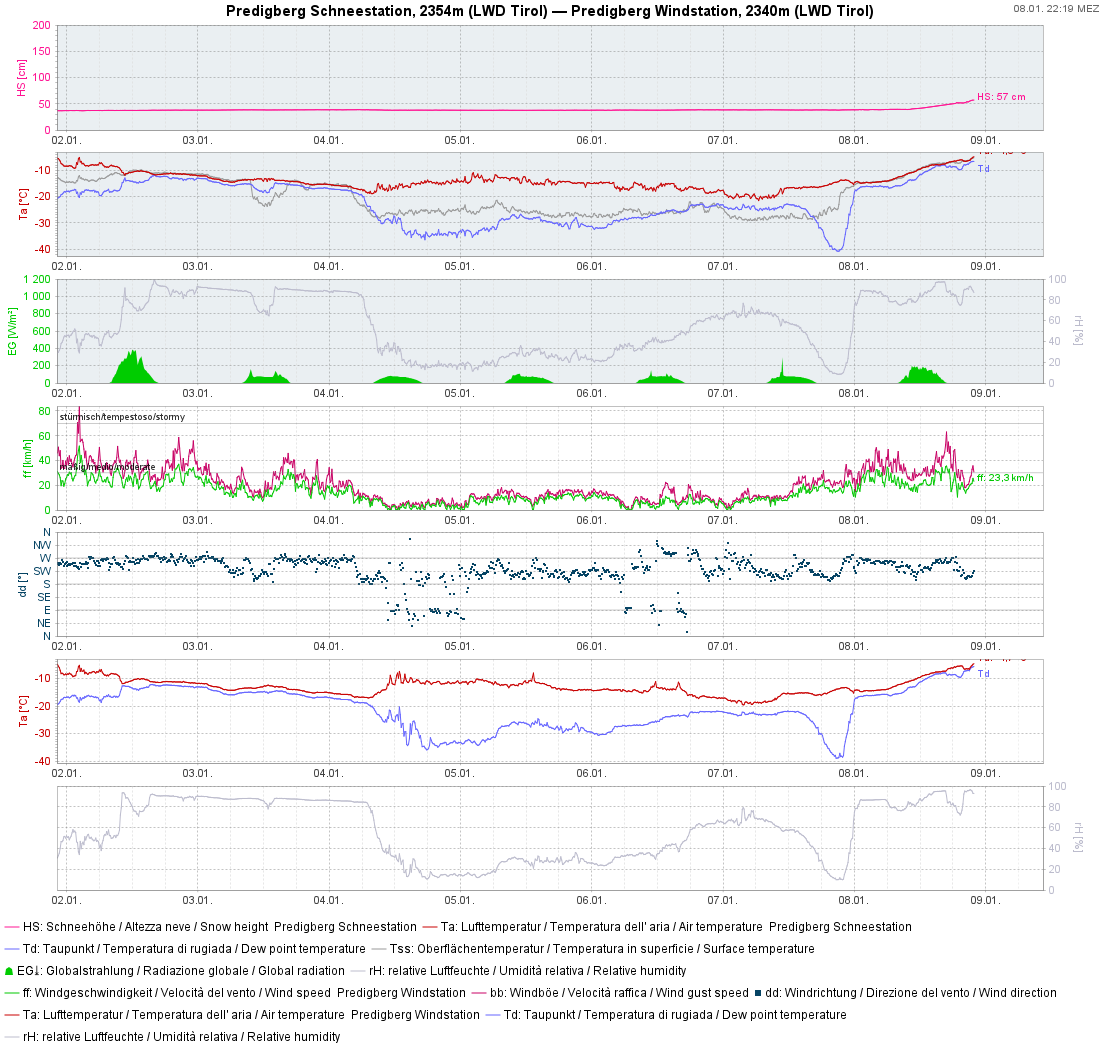
The shallow snowpack is extremely poorly structured over widespread areas. Near the snowpack surface are significant weak layers of faceted crystals and even rotten snow. What’s more, in many cases these weak layers are located between thin (old) melt-freeze crusts or wind crusts, forming a “crust sandwich.” There is also surface hoar on top, or else fresh snow from 2-3 January which until yesterday was exposed to intense cold and has expansively metamorphosed – all this constitutes potential weak layers.
And now, on top of these weak layers, a marked slab will be generated as a result of snowfall accompanied by strong-to-storm strength wind impact. And to top it off, we are confronted with a highly trigger-sensitive snowpack, as we see from recent reports from outlying terrain: first observations of fractures and settling noises (of the still very shallow snowpack). Our American colleagues call the snowpack in such situations “touchy” – in other words, even delicate contact is enough to disturb the snowpack.
As if that weren’t enough, in the major regions of precipitation starting on Sunday, 11.01.2026, wherever there was an area-wide cohesive snowpack prior to the snowfall, we can expect very good, even large-scale propagation of fractures.
Very weak snowpack
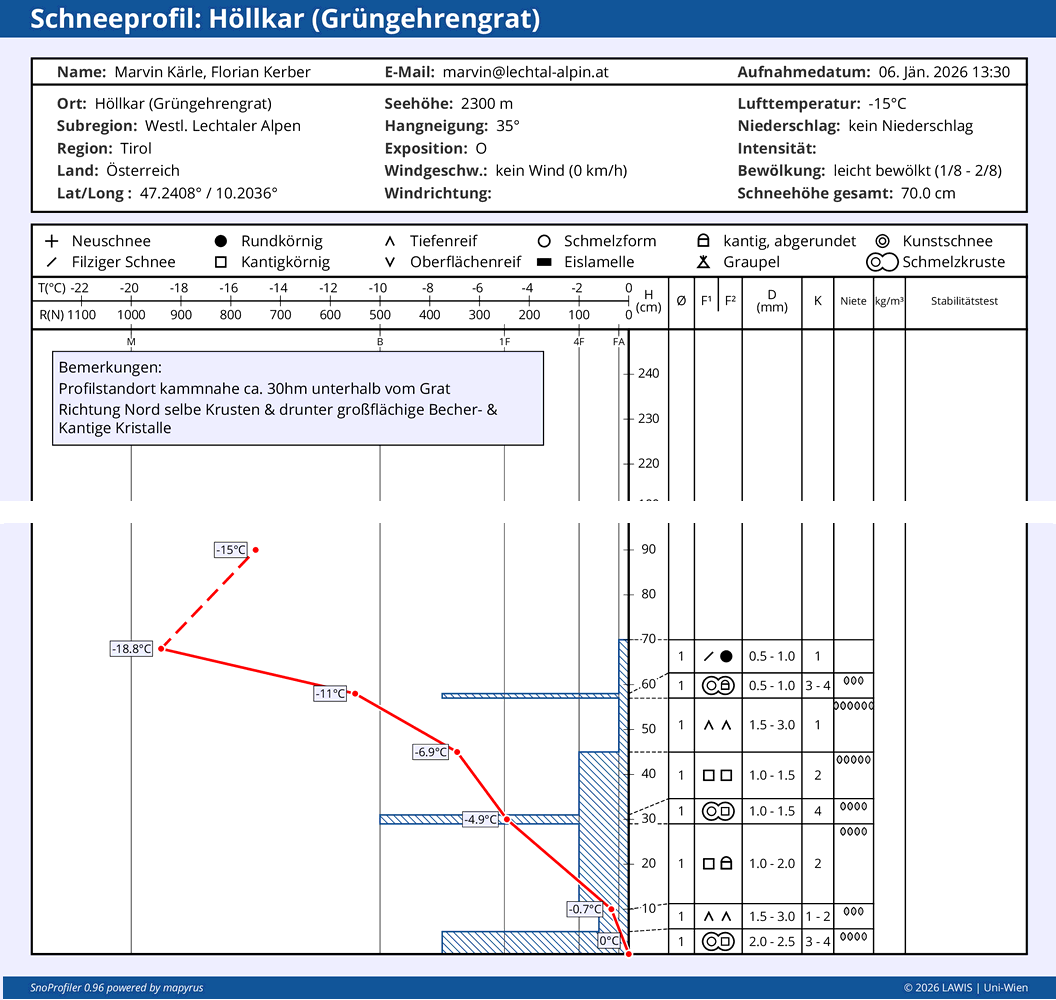
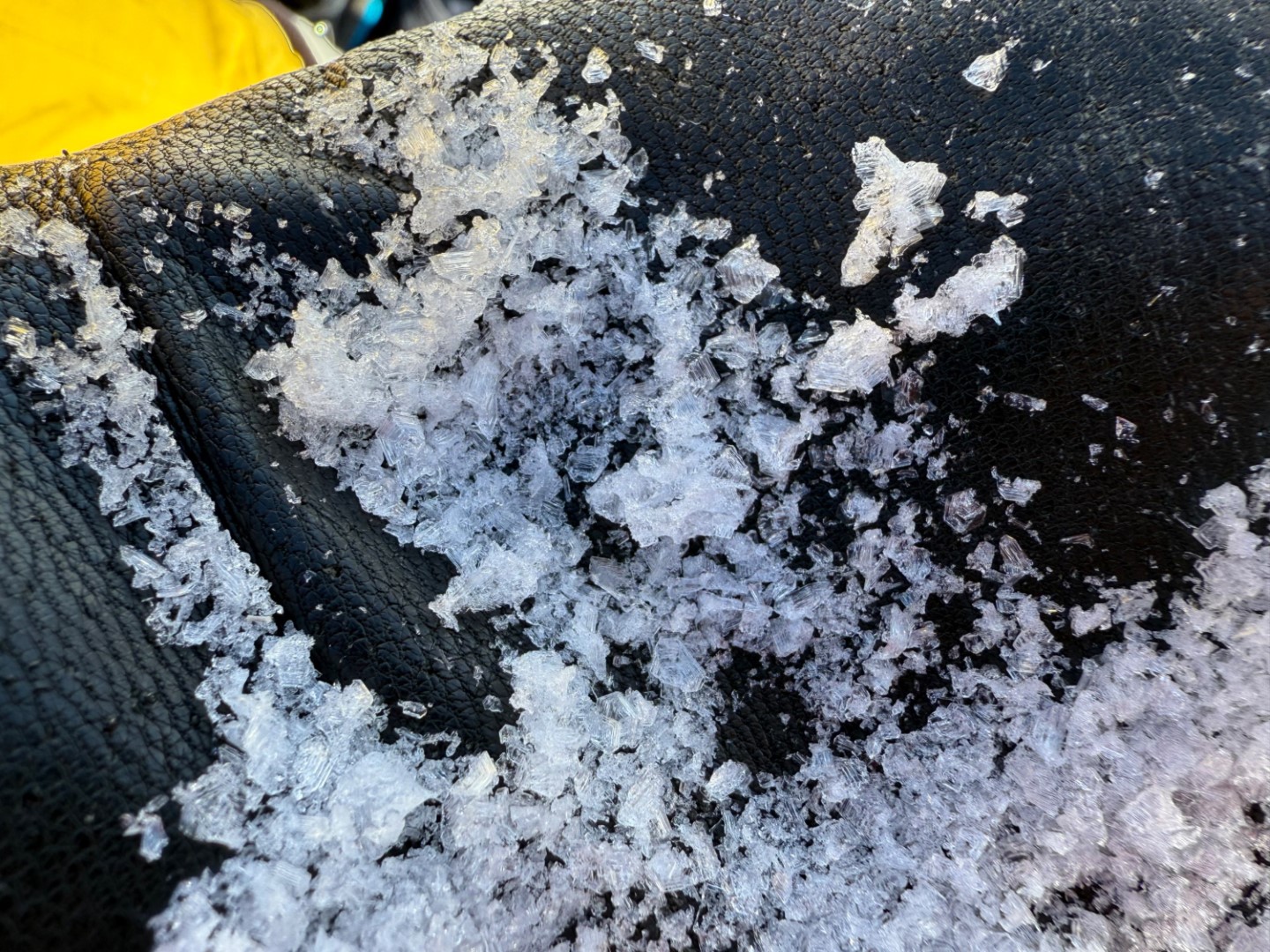
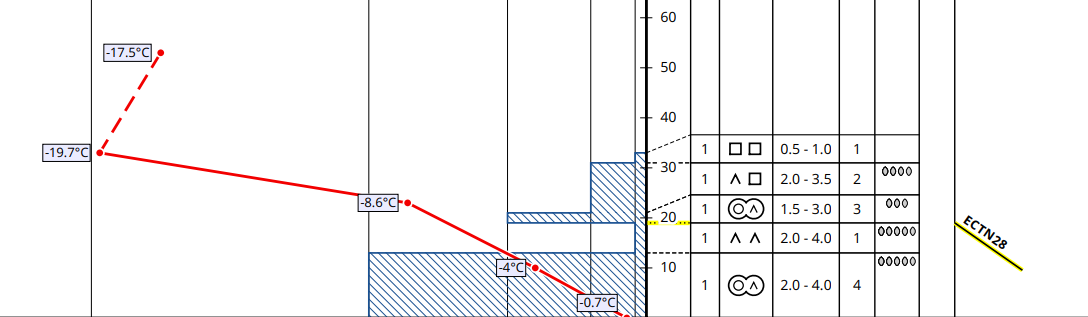

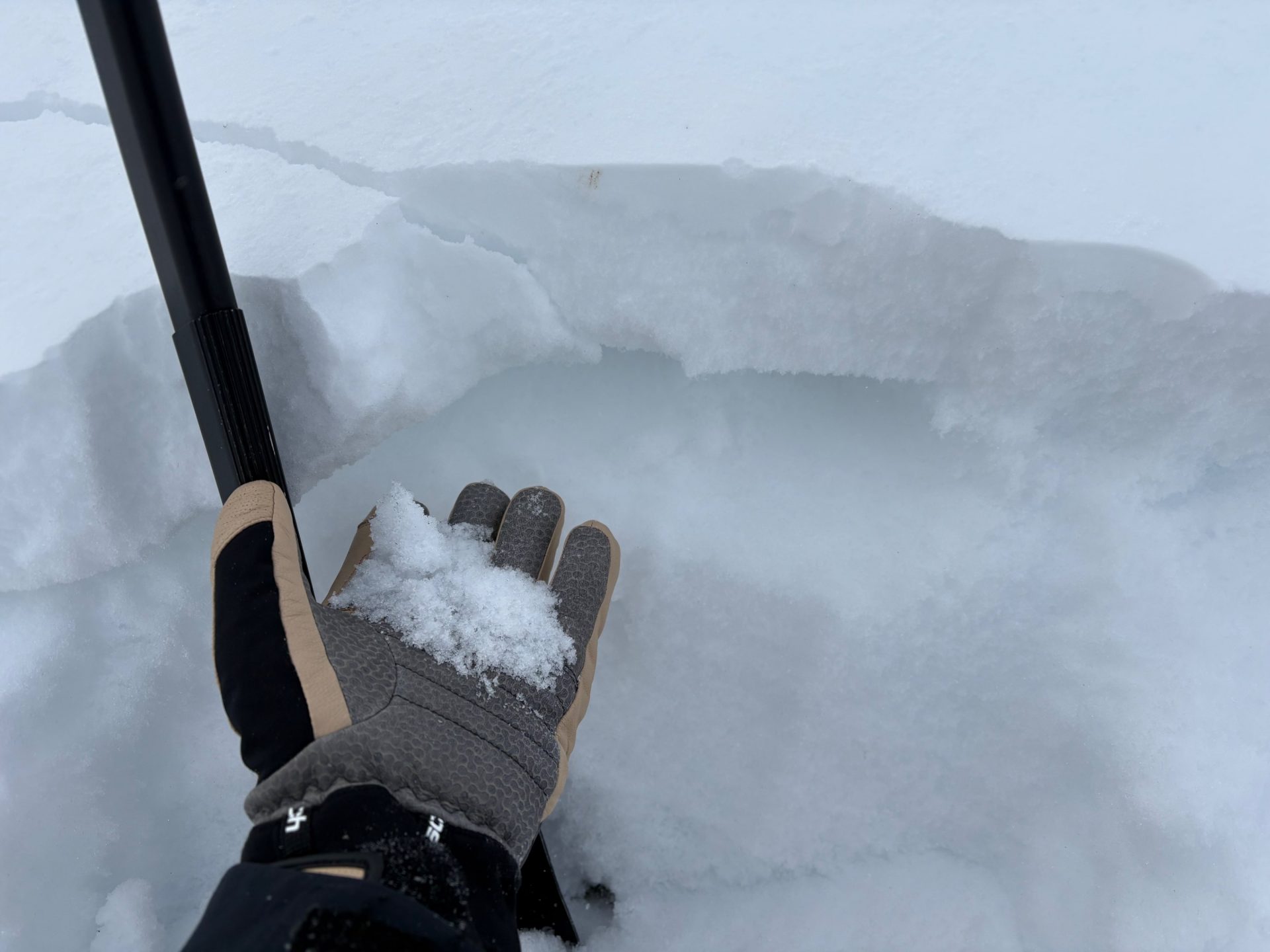
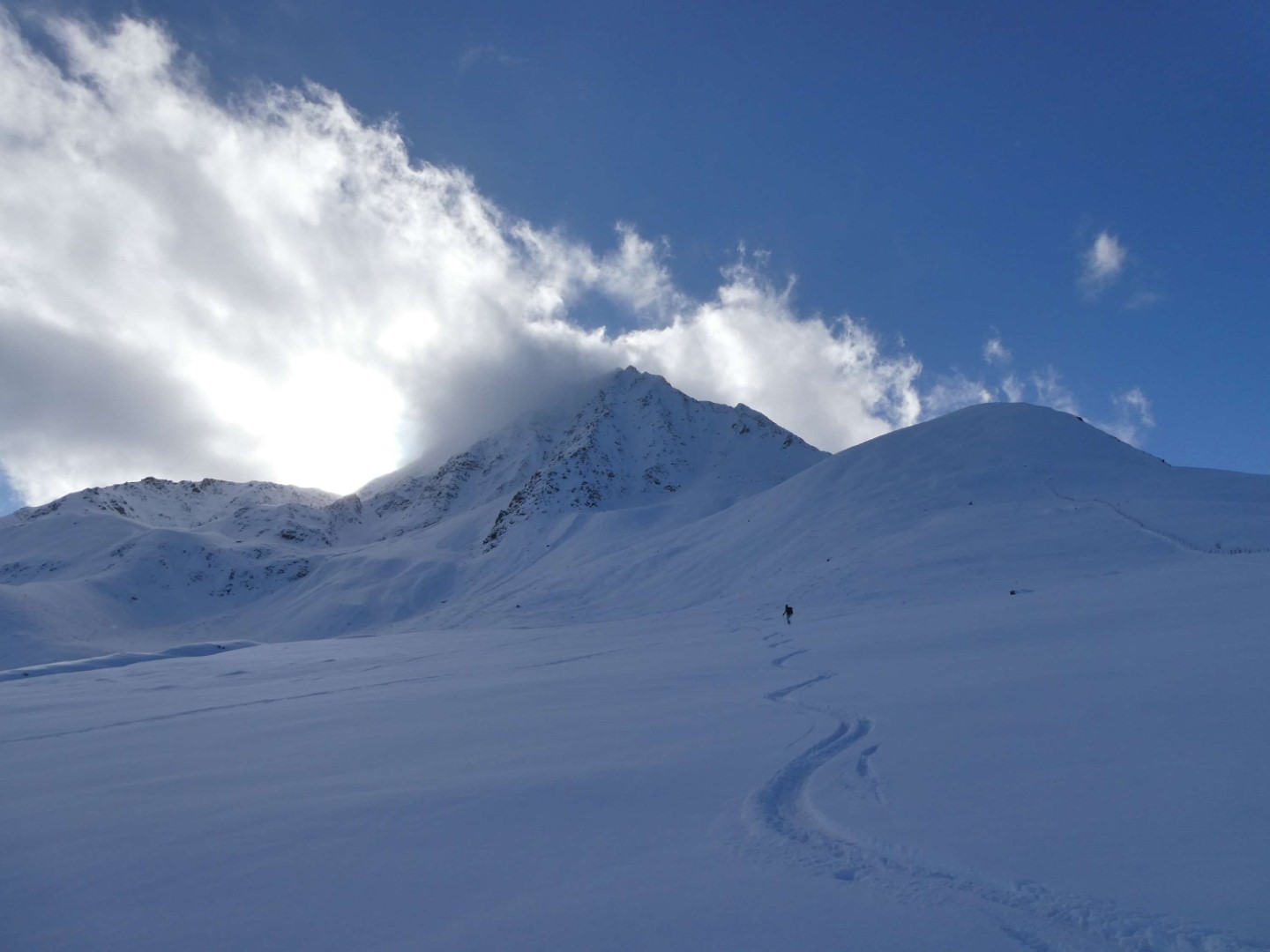
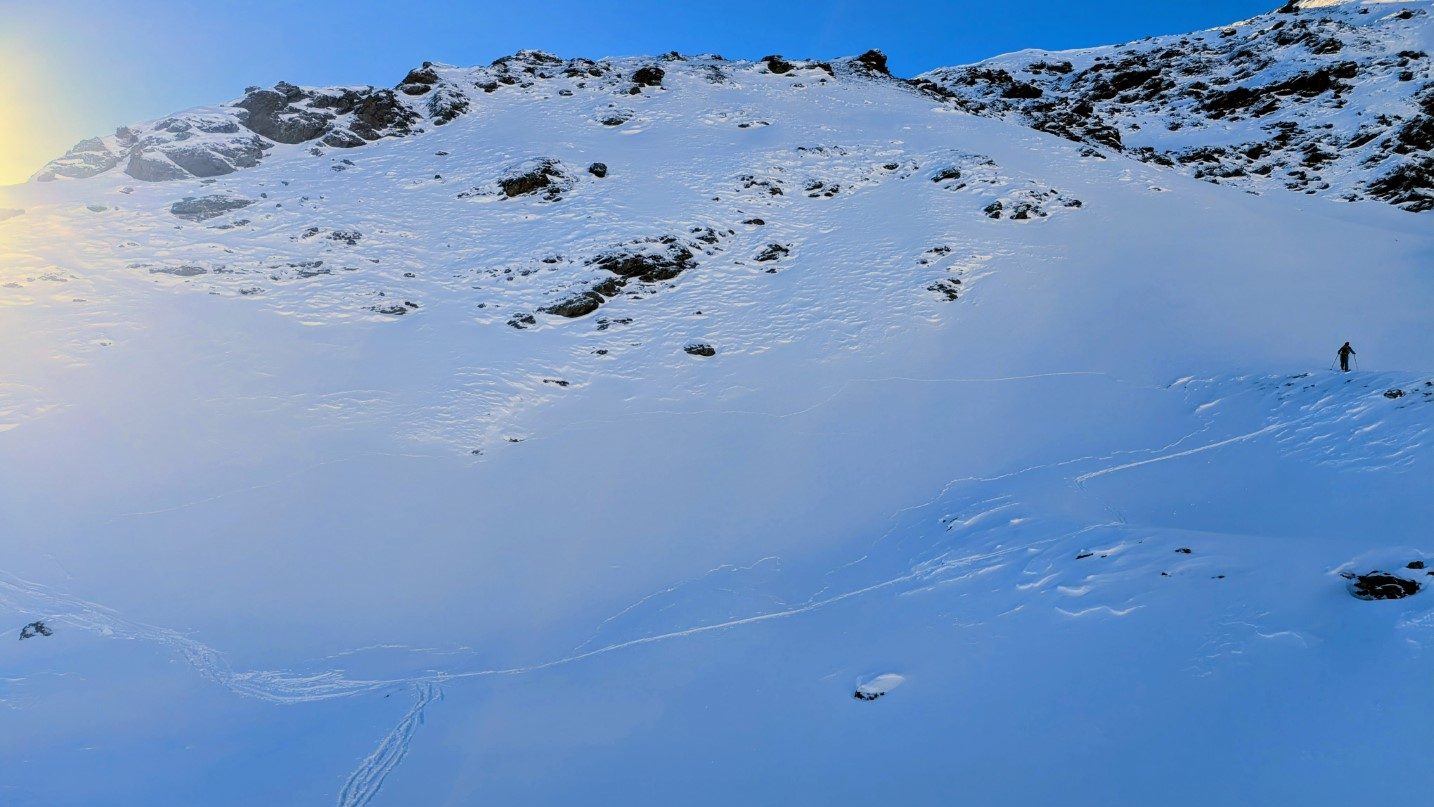
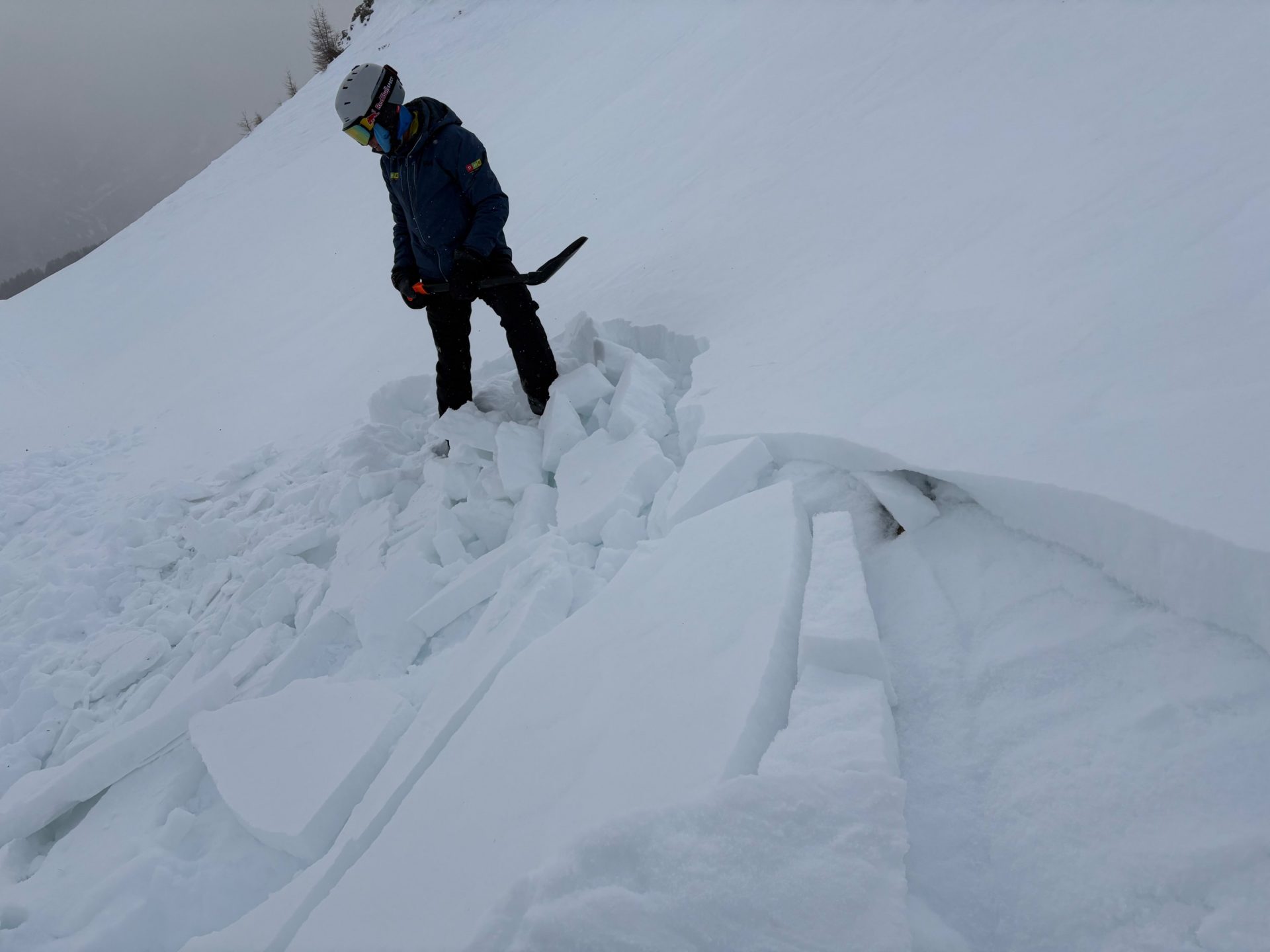
Whumpf noises and fractures are clear alarm signals, signifying a high proneness to triggering of the snow cover. Such alarm signals will be observed often over the next few days. In the major areas of precipitation in the western regions, we anticipate at latest starting Saturday, 10.01, to Sunday, 11.01, as a result of more snowfall, additional significant alarm signals, namely, naturally triggered avalanche releases.
The slab
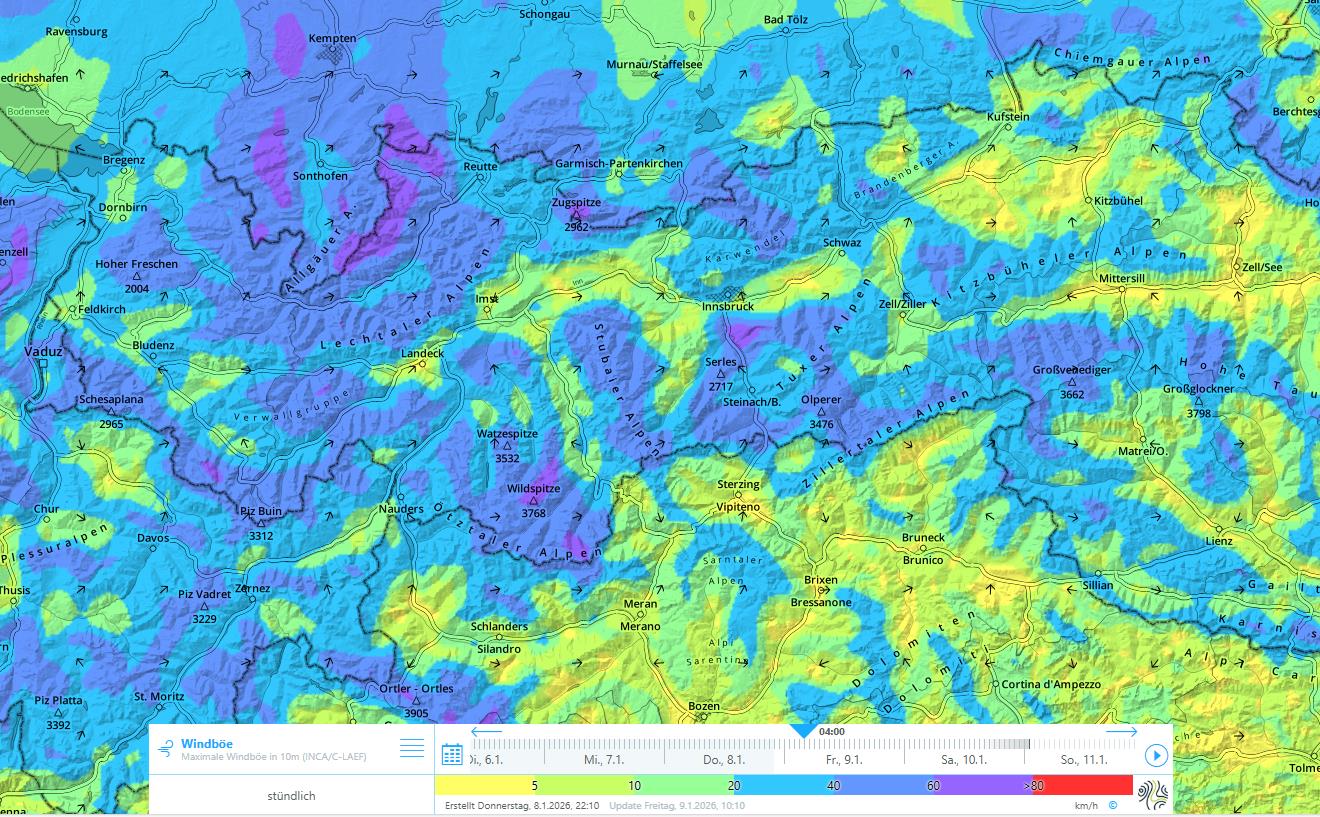
The “slab” which is the prerequisite for slab avalanches will be generated by current and coming snowfall accompanied by strong-to-stormy winds.
Weather developments and high point of avalanche danger
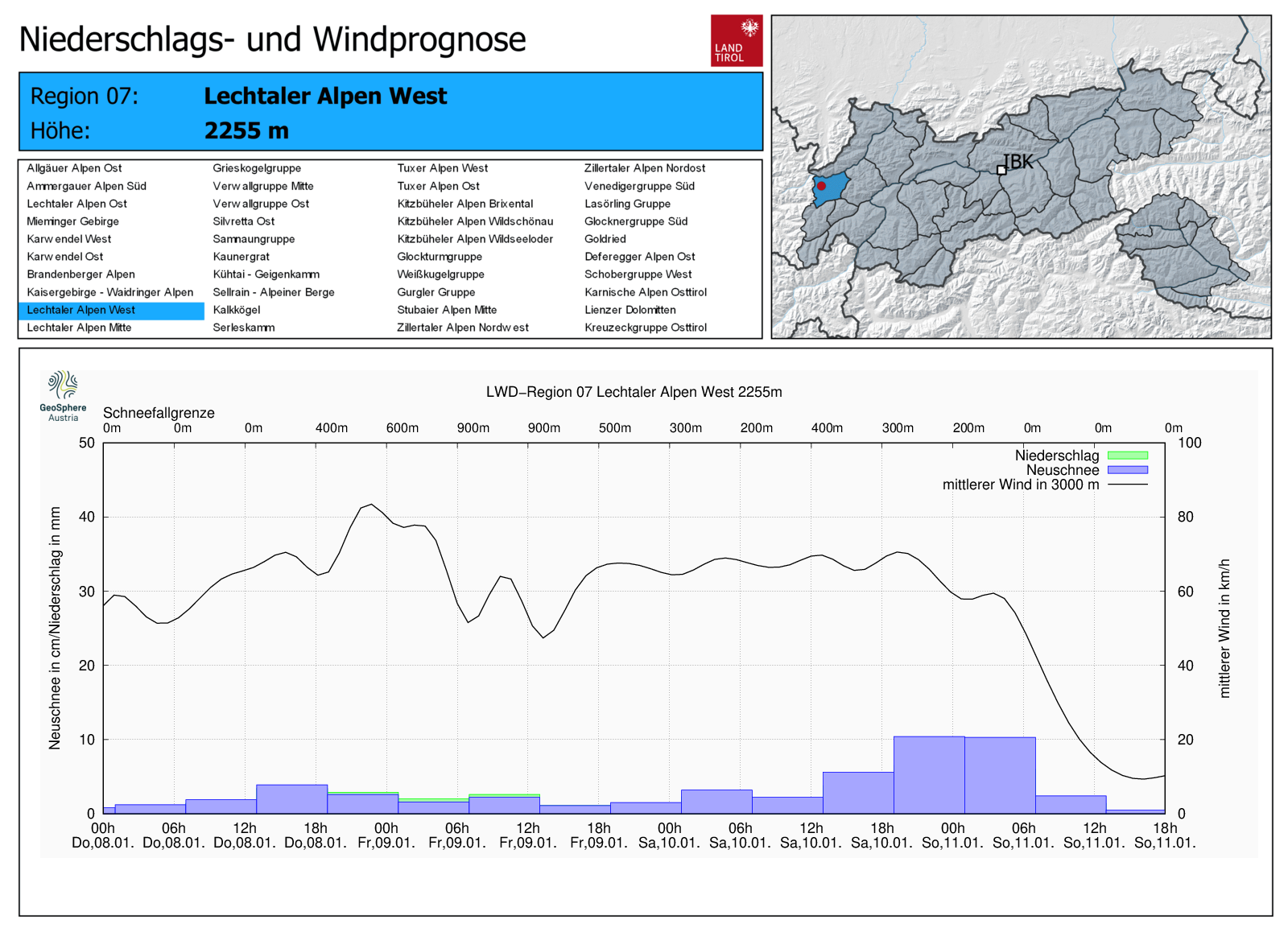
According to Geosphere Austria, a warm front currently dominates the weather developments in Tirol. This warm front will bring 10-20cm of fresh snow to the western regions, maximum 10cm to the eastern regions, while South Tirol will get next to nothing. Winds will be blowing at strong velocity from the west. On Friday the situation is expected to improve during the daytime hours, temperatures will drop again, it will remain very windy in the mountains. Starting on Saturday the high-altitude air current will shift to northwesterly and moist-cold air masses will again flow our way. The major bout of precipitation will be from Saturday, 10.01, until Sunday, 11.01, in western regions, accompanied by ongoing strong wind. On Sunday, the cloud cover will begin to disperse over the course of the day.
The peak of avalanche danger is expected to be during the nocturnal hours on Saturday-to-Sunday, when heavy and intense snowfall is anticipated. At latest, that is when increasingly frequent naturally-triggered avalanches can be expected with the highest probability. As of that point in time, we anticipate in western regions the “avalanche period” referred to above, during which for at least several days we expect a dangerous avalanche situation in outlying terrain for winter sports enthusiasts and, thus, it is a highly accident-prone time. It will also be the period when remote triggerings can be expected in the major areas of precipitation.
As a final note, we want to urge all of you to adopt extremely defensive conduct over the next few days! Winter sports enthusiats who venture into backcountry need to be keenly aware of the risks and have the requisite experience in assessing avalanche dangers along the way.